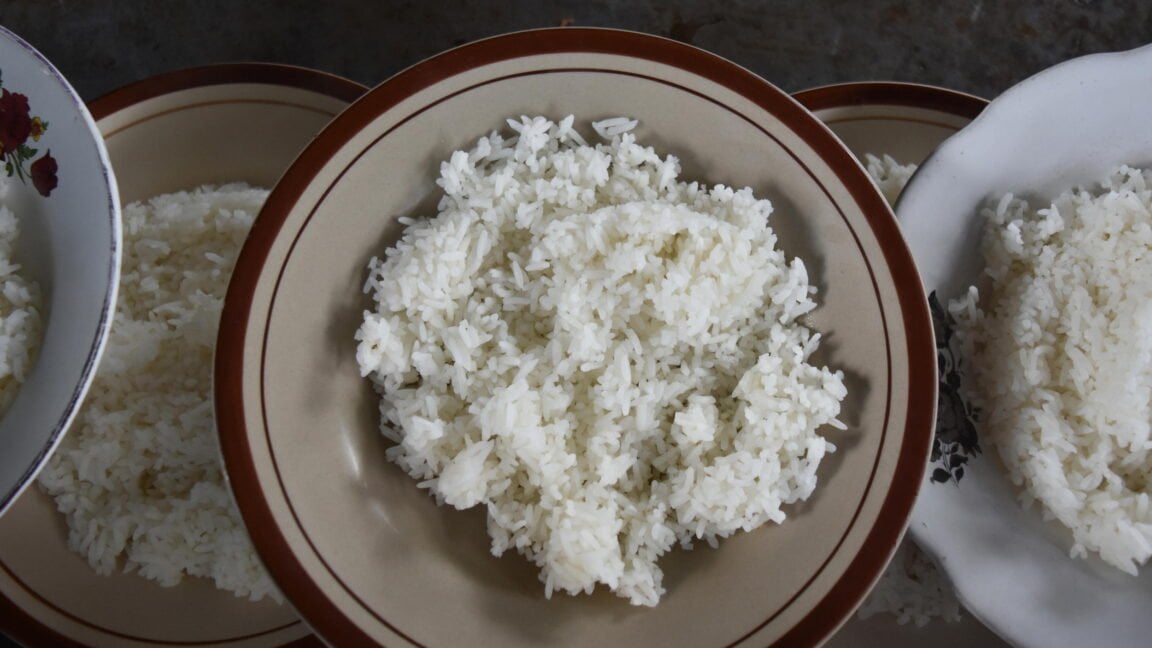
Climate change will make rice toxic, say researchers | Warmer temperatures and increased carbon dioxide will boost arsenic levels in rice.
https://arstechnica.com/science/2025/04/climate-change-will-make-rice-toxic-say-researchers/

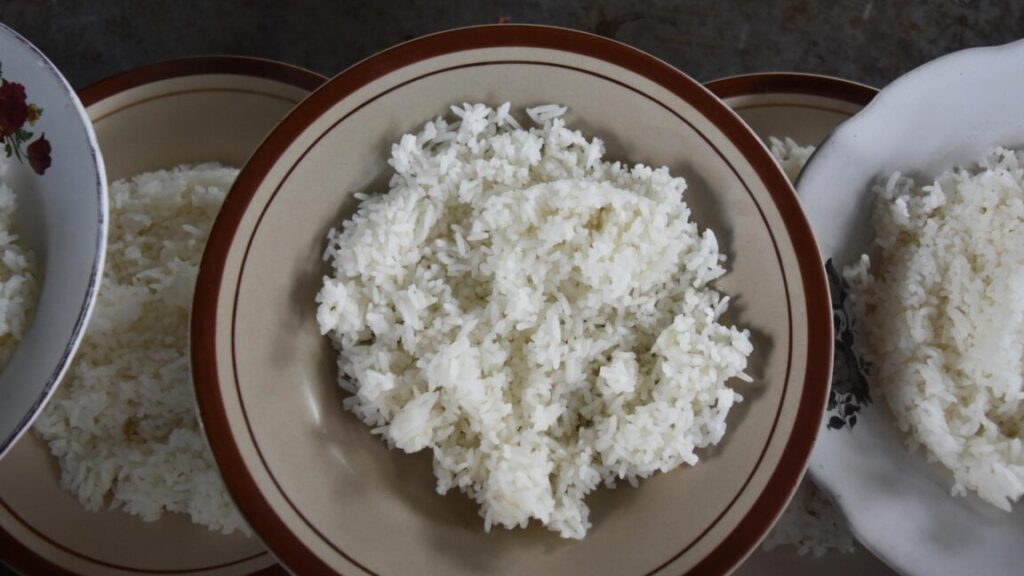
Climate change will make rice toxic, say researchers | Warmer temperatures and increased carbon dioxide will boost arsenic levels in rice.
https://arstechnica.com/science/2025/04/climate-change-will-make-rice-toxic-say-researchers/
6 Comments
From the article: Rice, the world’s most consumed grain, will become increasingly toxic as the atmosphere heats and as carbon dioxide emissions rise, potentially putting billions of people at risk of cancers and other diseases, according to [new research](https://www.thelancet.com/action/showPdf?pii=S2542-5196%2825%2900055-5) published Wednesday in The Lancet.
Eaten every day by billions of people and grown across the globe, rice is arguably the planet’s most important staple crop, with half the world’s population relying on it for the majority of its food needs, especially in developing countries.
But the way rice is grown—mostly submerged in paddies—and its highly porous texture mean it can absorb unusually high levels of arsenic, a potent carcinogenic toxin that is especially dangerous for babies.
Lewis Ziska, a plant physiologist and associate professor at Columbia University, has studied rice for three decades and has more recently focused his research on how climate change reduces nutrient levels across many staple crops, including rice. He teamed up with researchers from China and the US to conduct a first-of-its-kind study, looking at how a range of rice species reacted to increases in temperature and carbon dioxide, both of which are projected to occur as more greenhouse gas emissions are released into the atmosphere as a result of human activities. The new study was published in The Lancet Planetary Health.
Very interesting article. I’ve been concerned about arsenic levels in rice for a long time. Won’t even eat brown rice due to that reason.
He mentions the development of arsenic-resistant rice. Hopefully that becomes more prevalent.
No more population growth anywhere. Maybe that’s a good thing
They dont really explain the mechanism they just say as CO2 increases, so does arsenic in rice. But it could just be correlation between the pollution increasing in those areas as CO2 increases.
If pollution controls are in-place limiting to CO2 only through scrubbers would that effect this process? If CO2 increases through feedback loops but not directly with pollution does this still occur?
Rice is maybe my favorite things in all of creation.
So this really sucks.
Sounds like one of those headlines bad websites write that the science isn’t claiming.