World’s Oldest Satellite Has Been in Space for 67 Years. Engineers Want to Bring It Home
https://gizmodo.com/worlds-oldest-satellite-has-been-in-space-for-67-years-engineers-want-to-bring-it-home-2000587158

World’s Oldest Satellite Has Been in Space for 67 Years. Engineers Want to Bring It Home
https://gizmodo.com/worlds-oldest-satellite-has-been-in-space-for-67-years-engineers-want-to-bring-it-home-2000587158
7 Comments
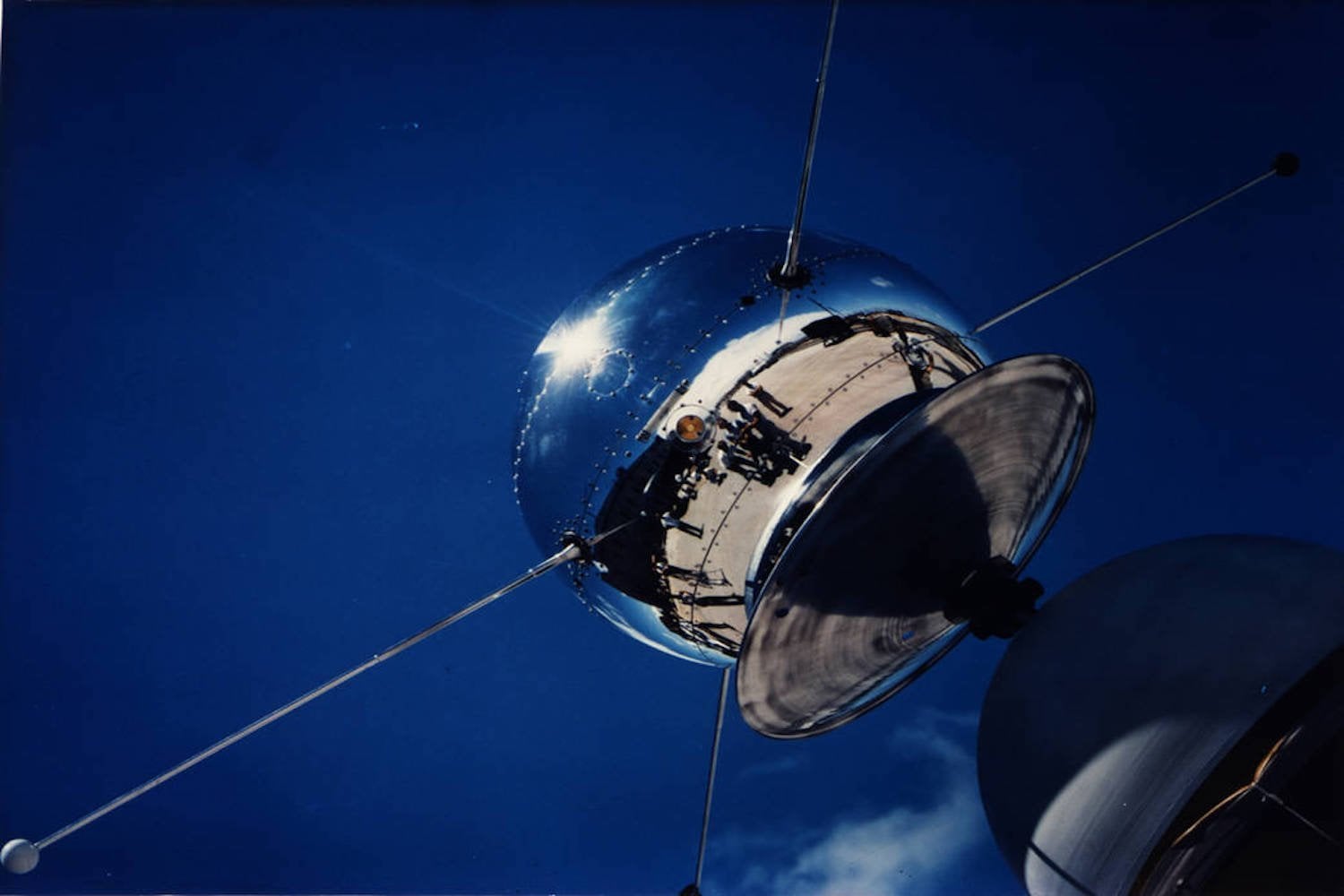
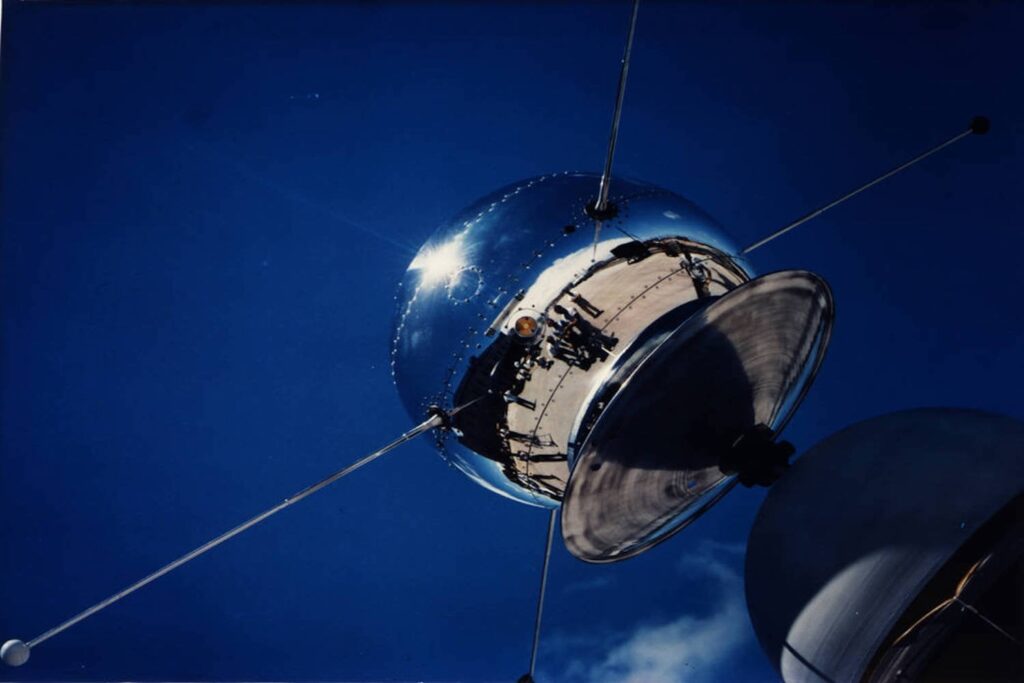
Snippet from this article : “An awkward-looking, spherical satellite the size of a grapefruit launched in March 1958, and was boosted into a high elliptical orbit. The satellite, named Vanguard-1, was a test of launch capabilities during the early days of the historic space age. Other satellites of its time have reentered through Earth’s atmosphere, burning up in a fiery death, but Vanguard-1 is still in orbit, silently zooming through the void of space. A team of researchers and engineers want to retrieve the satellite for closer inspection and are currently working to find a way to bring Vanguard-1 home.
Vanguard-1 is the second U.S. satellite launched to space. Conceived by the Naval Research Laboratory in 1955, it was designed to test the launch capabilities of a three-stage launch vehicle and the effects of the harsh space environment on a satellite. Today, it remains as the oldest artificial object orbiting Earth. A team of researchers and engineers from Virginia-based consulting firm Booz Allen Hamilton have put together a proposal on how to retrieve the satellite from space, bringing it back to Earth to study how its equipment has fared over the years, according to a report by Space.com. The team’s proposal is detailed in a study published in the Aerospace Research Center earlier this year.
Vanguard-1 went silent in 1964, but tracking data shows its location and orbit. The satellite has persisted for so long due to its location in a highly elliptical orbit, unlike the Soviet Sputniks and the U.S.’s Explorer-1, which fell back to Earth within months or years due to atmospheric drag in low Earth orbit. If it were to be retrieved, Vanguard-1 would be the oldest satellite ever returned to Earth.
The researchers suggest that the satellite can be placed in a lower orbit and snagged from space, or reeled into the International Space Station. In 1984, NASA used its astronauts to capture a satellite during spacewalks using the jetpack known as the Manned Maneuvering Unit. The Westar 6 and Palapa B2 communications satellites ended up in the wrong orbits after upper stage rocket failures, so the space agency sent astronauts to retrieve the wayward but otherwise functional spacecraft, according to NASA. The satellites were placed in the Space Shuttle payload bay and returned to Earth.
Considering how old Vanguard-1 is, the astronauts would need to handle it with care, according to the team behind the proposal. Before a retrieval attempt, the team suggests that a spacecraft be sent to rendezvous with the satellite to inspect its condition up-close. The engineers suggested partnering with a wealthy space enthusiast willing to fund the outer space venture, or using a SpaceX vehicle to bring the satellite home.
>The researchers suggest that the satellite can be placed in a lower orbit and snagged from space or reeled into the International Space Station.
ISS inclination is ≈ 51 degrees, Vanguard 1’s is ≈ 34. Pretty sure we can write that idea off right now.
It belongs in a museum!
But seriously. This would be cool. Also, I wonder how int’l law works, could someone else bring her home?
This is how Sci-fi horror movies start. It’s just an old satellite they said, completely harmless they said…
I think I’ll grab a couple of beers and rewatch “The Andromeda Strain”! 👍
I wonder how long it would take Spacex to modify a starship to do something like [this](https://i.pinimg.com/originals/4a/a7/e6/4aa7e6faac57bf0993ec2e2bbc93ac4e.jpg).
The world’s oldest satellite was named Sputnik-1 and it wasn’t made by the US. It launched in October 1957 and re-entered in 1958, well before this thing was even launched.