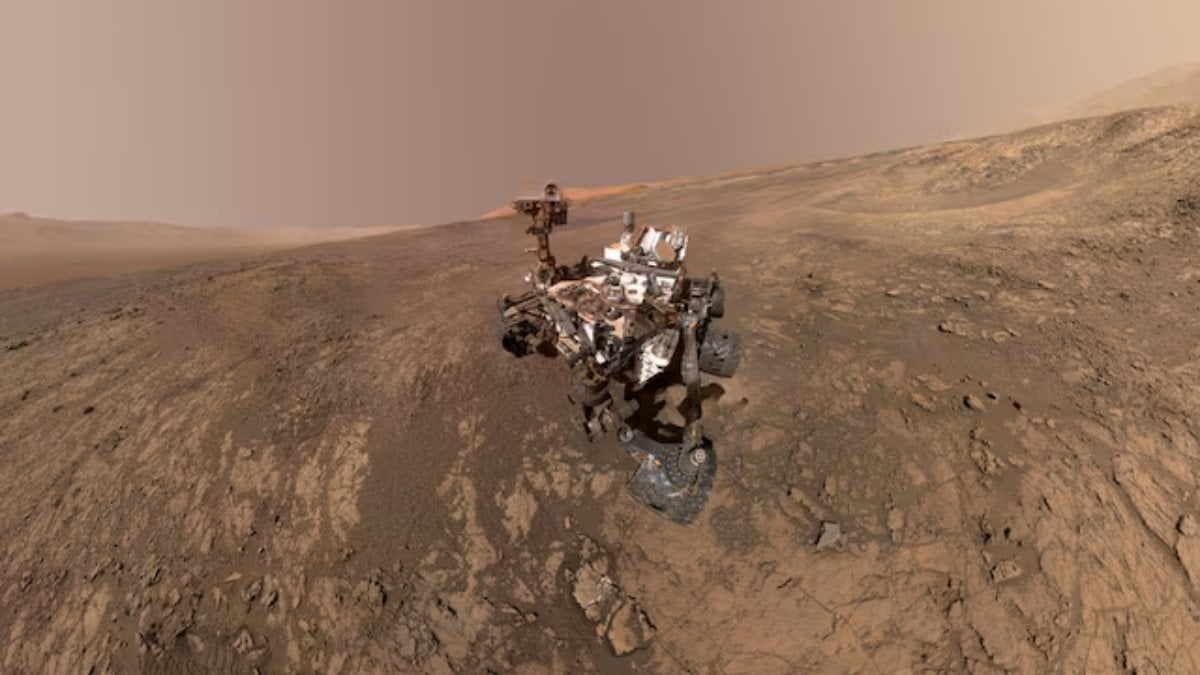
They detected siderite—a rare iron carbonate mineral—in multiple rock samples from inside the Gale Crater. Siderite only forms in specific conditions—namely, in the presence of water and carbon dioxide. This means Mars may have once looked very different: warm, wet, and potentially teeming with microbial life.
Interesting revelation that the lack of plate tectonics meant that any carbon dioxide eventually became locked away in the rocks never to return to the atmosphere. That made me wonder if any terraformed planet without plate tectonics could truly sustain life long-term.

1 Comment
They detected siderite—a rare iron carbonate mineral—in multiple rock samples from inside the Gale Crater. Siderite only forms in specific conditions—namely, in the presence of water and carbon dioxide. This means Mars may have once looked very different: warm, wet, and potentially teeming with microbial life.
Interesting revelation that the lack of plate tectonics meant that any carbon dioxide eventually became locked away in the rocks never to return to the atmosphere. That made me wonder if any terraformed planet without plate tectonics could truly sustain life long-term.