Poop Drones Are Keeping Sewers Running So Humans Don’t Have to
https://www.wired.com/story/poop-drones-are-keeping-sewers-running-so-humans-dont-have-to/

Poop Drones Are Keeping Sewers Running So Humans Don’t Have to
https://www.wired.com/story/poop-drones-are-keeping-sewers-running-so-humans-dont-have-to/
2 Comments
The key to preventing disasters like this is regular inspection of sewer lines, hunting down any cracks and fissures that, if left unattended, can lead to soil ingress and eventual collapse of the pipe. But sewer pipes can be dark, cramped and filled with pockets of gas, making inspecting large networks using traditional methods (typically a tethered, remotely operated crawler fitted with a camera or even in-person) a slow, costly and often hazardous process.
This is where drones come in. Designed and engineered to operate in confined spaces, a new generation of flying robots is being sent into sewers to perform inspections in a safer, more efficient way.
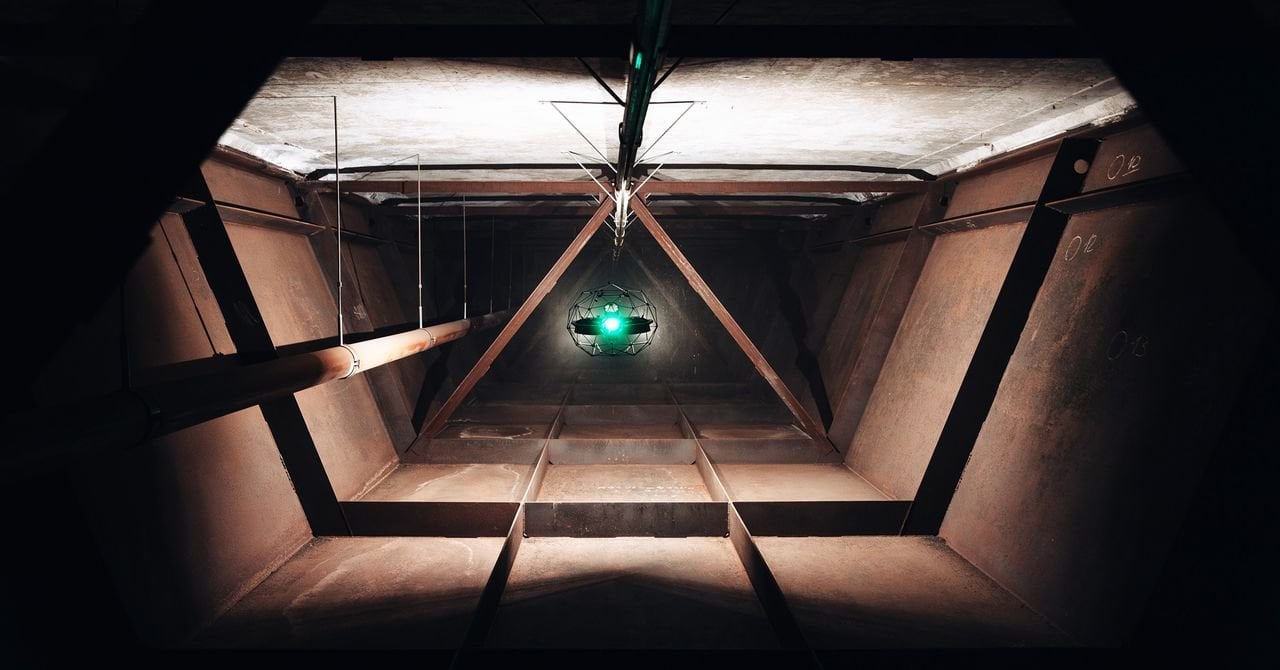
One such drone is the Elios 3, designed and manufactured by Swiss company Flyability and used by major industry players like Veolia. Equipped as standard with a protective cage, impact-resistant exoskeleton, 16,000-lumen lighting rig, 4K camera and LiDAR, it can navigate through dark and dusty pipes while creating a live 3D model of the environment. The modular design means it can also be fitted with specialized payloads like explosive gas sensors or ultrasonic thickness gauges.
Read more: [https://www.wired.com/story/poop-drones-are-keeping-sewers-running-so-humans-dont-have-to/](https://www.wired.com/story/poop-drones-are-keeping-sewers-running-so-humans-dont-have-to/)
Why flying? They should just make crawling drones that are waterproof. Less moving parts, less risk for failure. You could also have a little swarm of drones monitoring the sewer system nearly 24/7, mapping their route for deployment and retrieval and then have a team that drives around to pick them up for sanitation and charging each day like they’re a Lime scooter.