
On some recommendations and advice, I took down some of the photos and have only left a few. Going to have an expert look at the remaining. There's a lot to go through! I appreciate everyone's love for Space! And all the comments!
Hello fellow space enthusiasts,
I was hoping to get some more information on a recent find of mine. I’m an avid collector and reseller of all things historic. Especially space related.
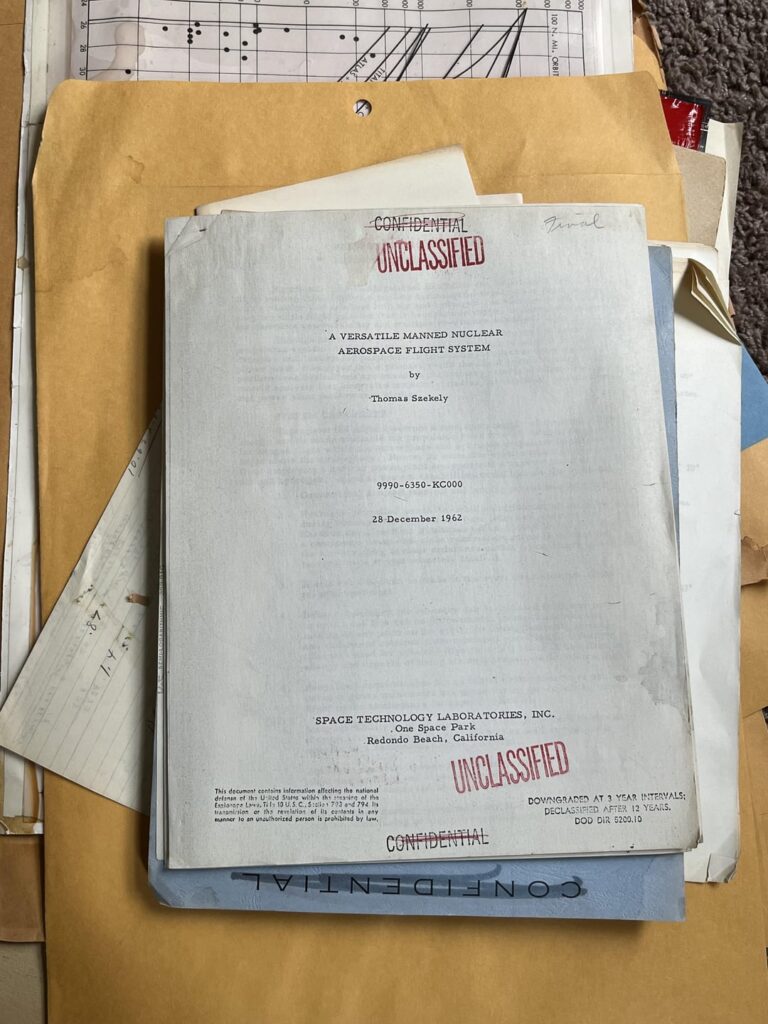
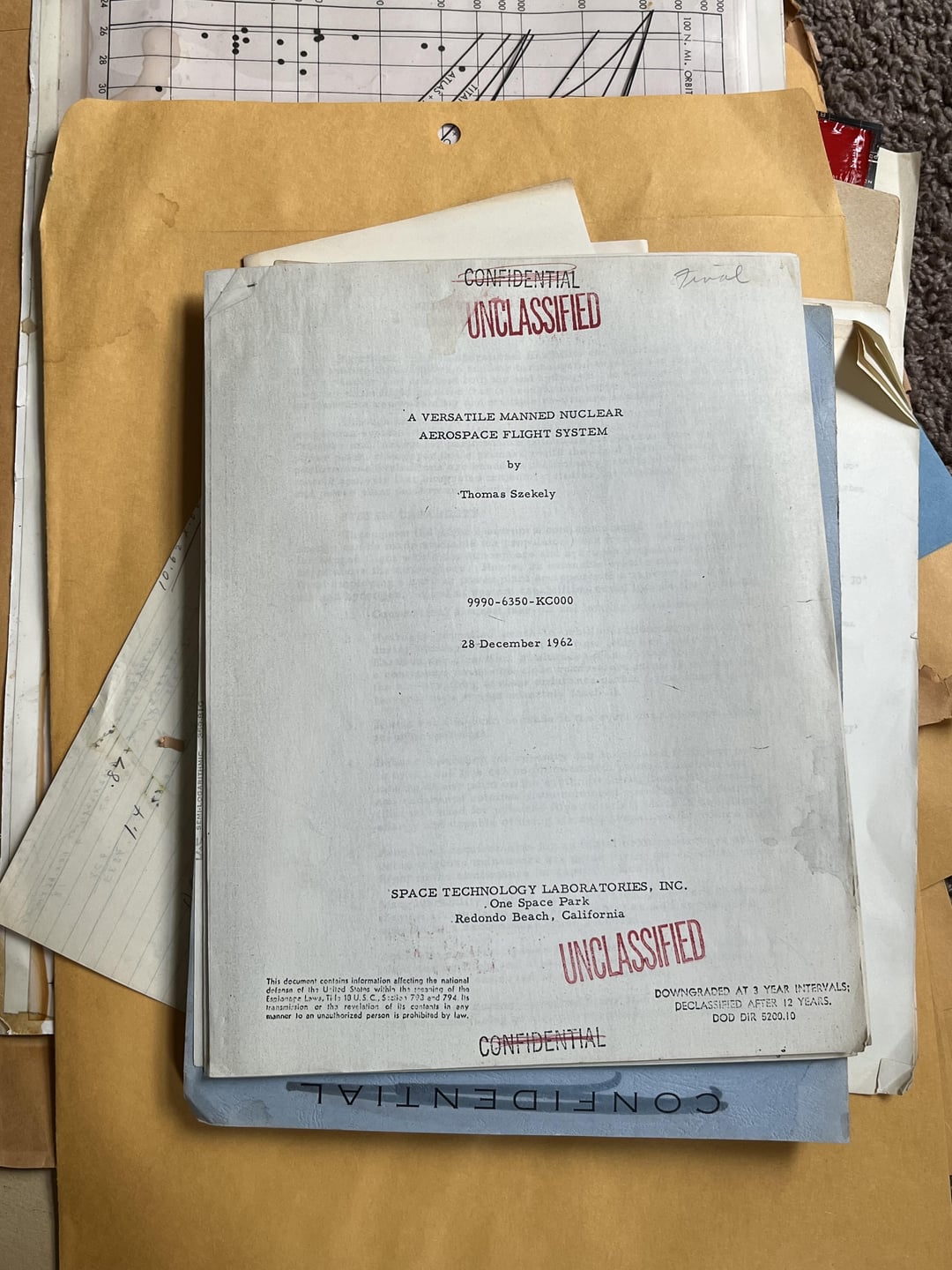
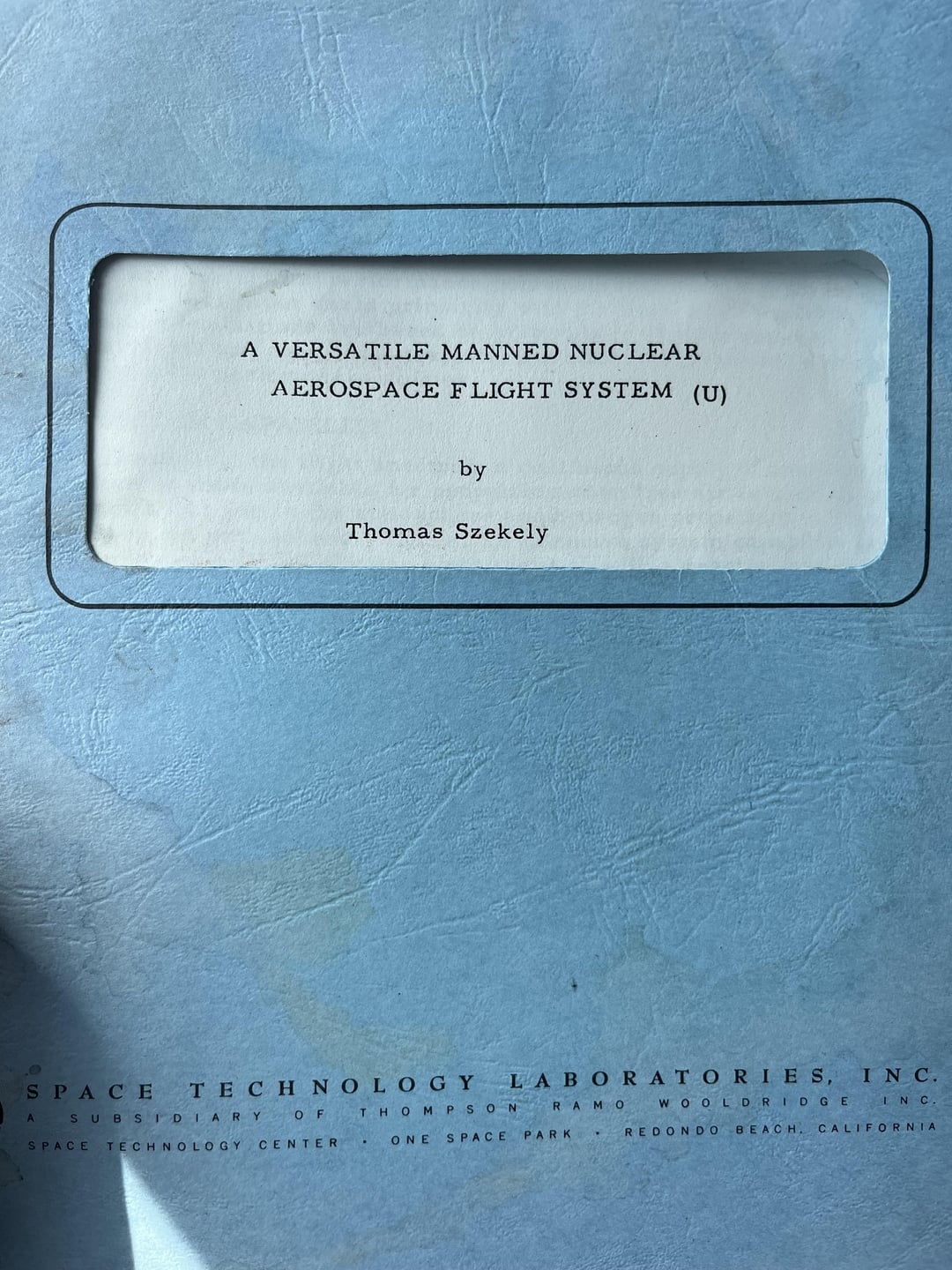
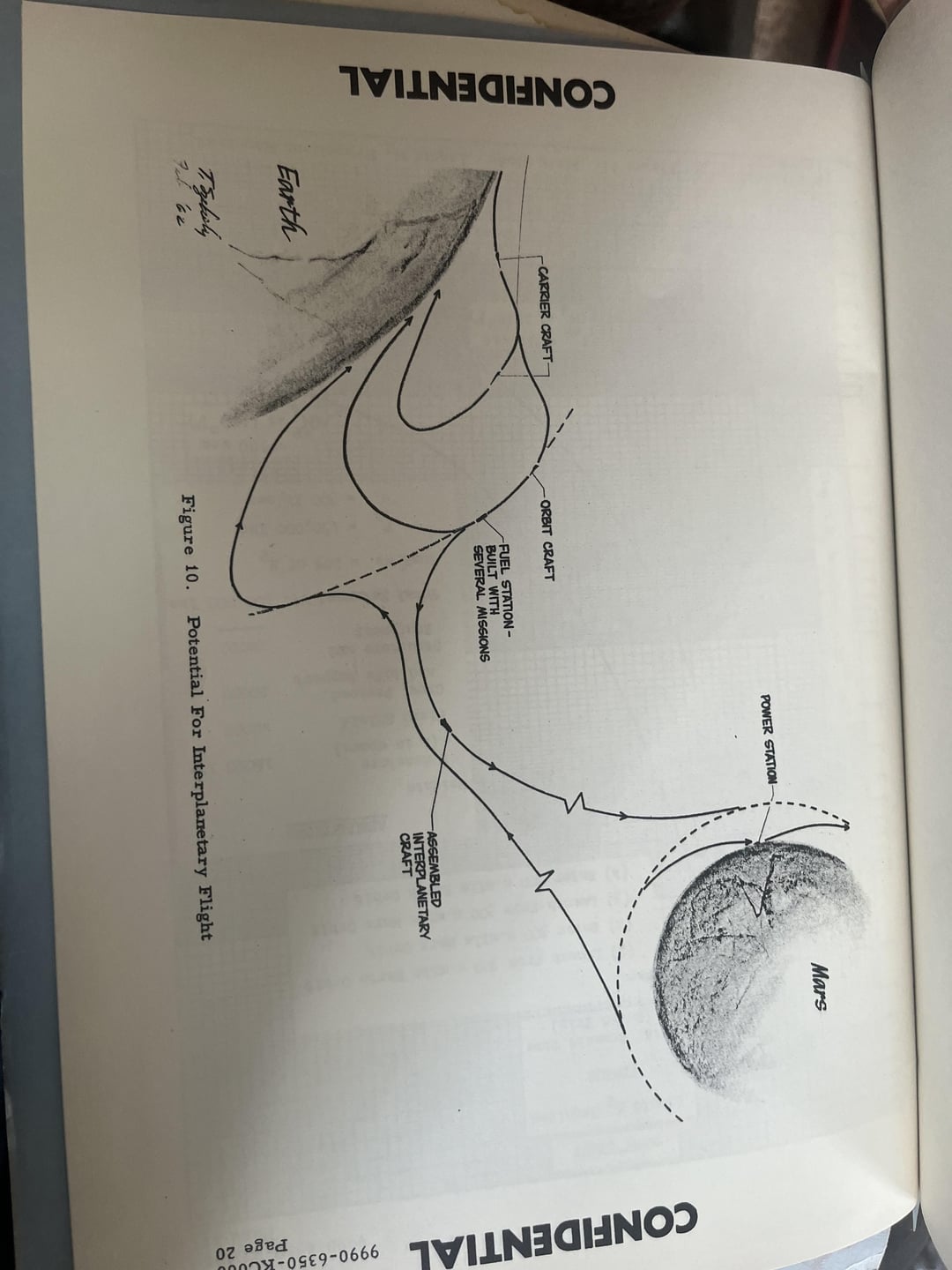
The documents belonged to Thomas Szekely who holds the patent for a Nuclear propulsion apparatus with alternate reactor segments. Szekely was an engineer with GE working on the NERVA project. The documents include presentations on utilizing nuclear propulsion for a manned mission to Mars.
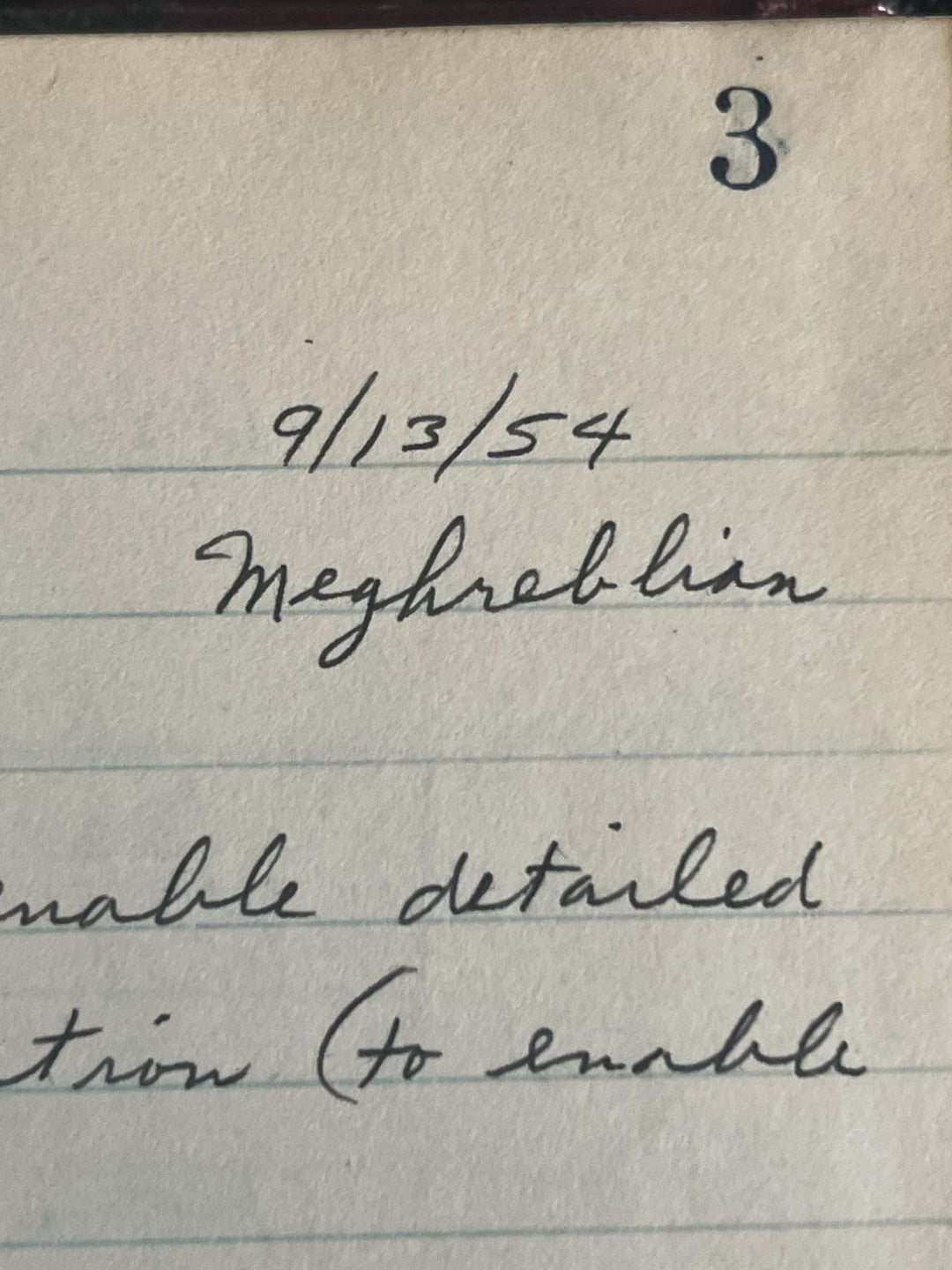
Of notable interest are nearly 300 pages of handwritten formulas and calculations used to build the nuclear propulsion technology and manned missions to Mars. (Not posting photos of these for confidentiality reasons)
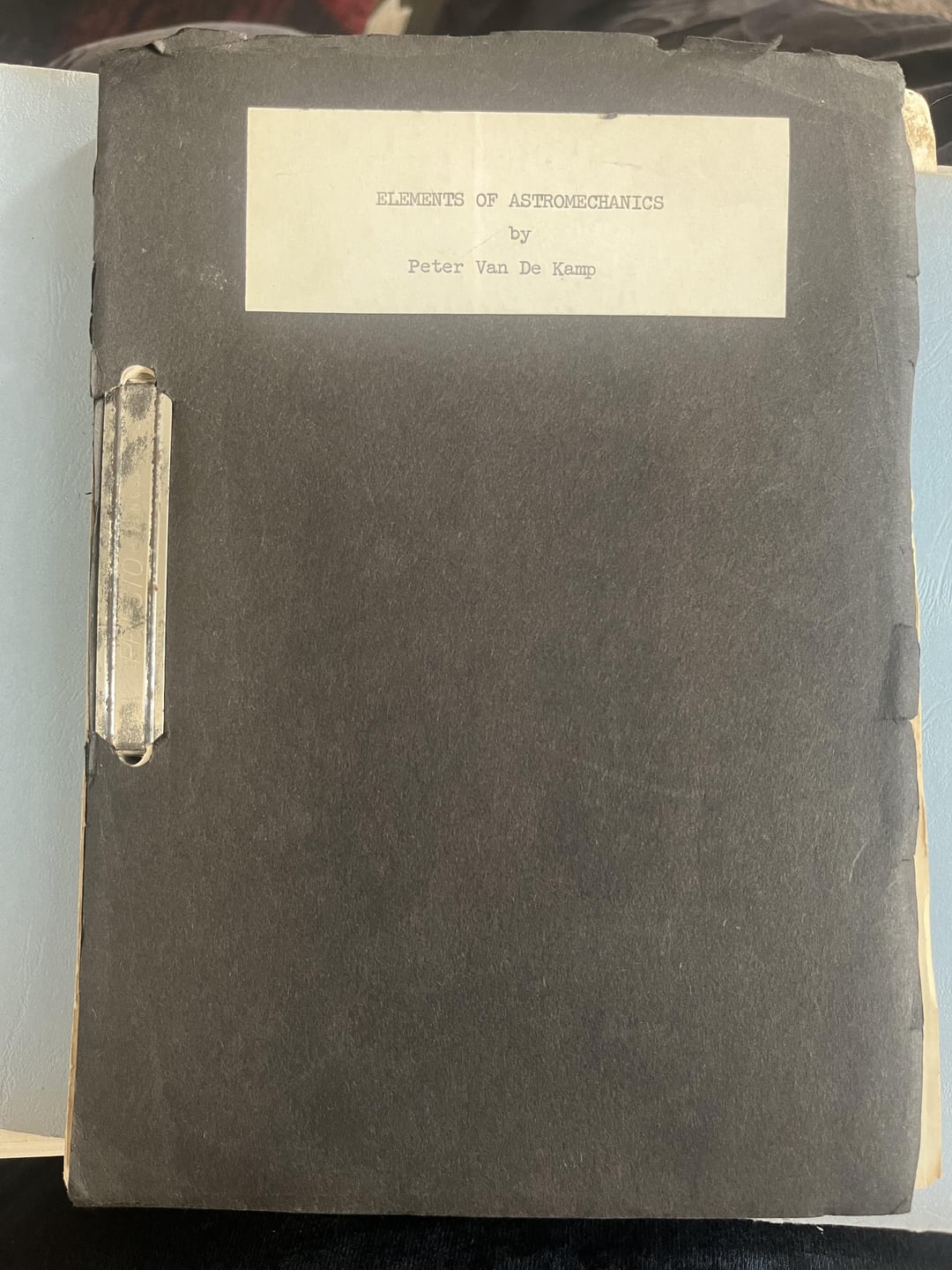
I believe this information could provide valuable insight into the nuclear technology developed in the 60's and 70's to help us with a manned mission to Mars. I've attached some pictures for reference.
I would also think that scientists studying nuclear propulsion technology would probably be interested in the handwritten equations from the man who built and patented the nuclear propelled rocket.
My problem is, everyone I’ve reached out to or spoken to acts like I’m crazy….lol…
Just hoping for some insight or ideas of what I stumbled across? Any insight would be appreciated. I can’t post photos until Sunday. But wanted get any thoughts? Not sure what to do with it? My business is reselling but also I feel like this is a find that could really make a difference!
https://www.reddit.com/gallery/1ketqeh
9 Comments
Thank you everyone who responded to my previous posts!
This is a great find! This document doesn’t appear to be anywhere on the internet (I’ve looked for the title and the document reference number, and don’t get any results for either). But then I guess you probably already knew that.
Maybe get in touch with a space historian? Amy Shira Teitel springs to mind. She’s on Reddit as u/amyshirateitel
A fantastic find! I may be interested in buying it if you’re selling. Let me know if you want to discuss more. Sounds like you have lots of research to do first 🙂
As a collector of space documents. letters, maps and art, you have an *incredible* find. Share it yet keep it.
What you have is as seminal and rare as Robert Goddard’s lab notes, as historic as Von Braun’s workbooks.
2026 is the 100th anniversary of the first flight of a liquid fueled rocket, flying as far as the first flight at Kitty Hawk. Today, anything from Goddard or the Wrights command high prices.
NERVA worked, but was somewhat dirty and inefficient, as prototypes often are. It proved the principle.
In the next 50 years, humans will go to Mars by nuclear propulsion. [New nuke-prop research](https://www.ga.com/ga-successfully-tests-nuclear-thermal-propulsion-reactor-fuel-at-nasa-marshall-space-flight-center) is now underway.
In 50 years, your NERVA papers will become quite valuable and historic artifacts. Protect them well.
Suggest you share the papers electronically, but keep the paper originals very safe for your family and posterity.
Scan those documents! Upload to archive.org. It would be a big win.
If none of the other contact suggestions work out, you could try [Winchell Chung](https://spacey.space/@nyrath), proprietor of the [Atomic Rockets](https://www.projectrho.com/public_html/rocket/enginelist2.php) website. I’m not sure how you would actually contact him though, he doesn’t have an email address listed!
try reaching out to the details on https://www.szekelyengineering.com/
There likely isn’t anything in the notes that isn’t already public knowledge, as far as the equations go. Nor anything that would be helpful for governments working toward questionable nuclear goals.
I say upload all of it when you feel comfortable. You won’t hurt the value of the collection. As weird as it sounds, you might want to reach out to Tested for help finding people to go through the collection with you.
You could try contacting the Lunar and Planetary Institute in Houston or the Southwest Research Institute in San Antonio.