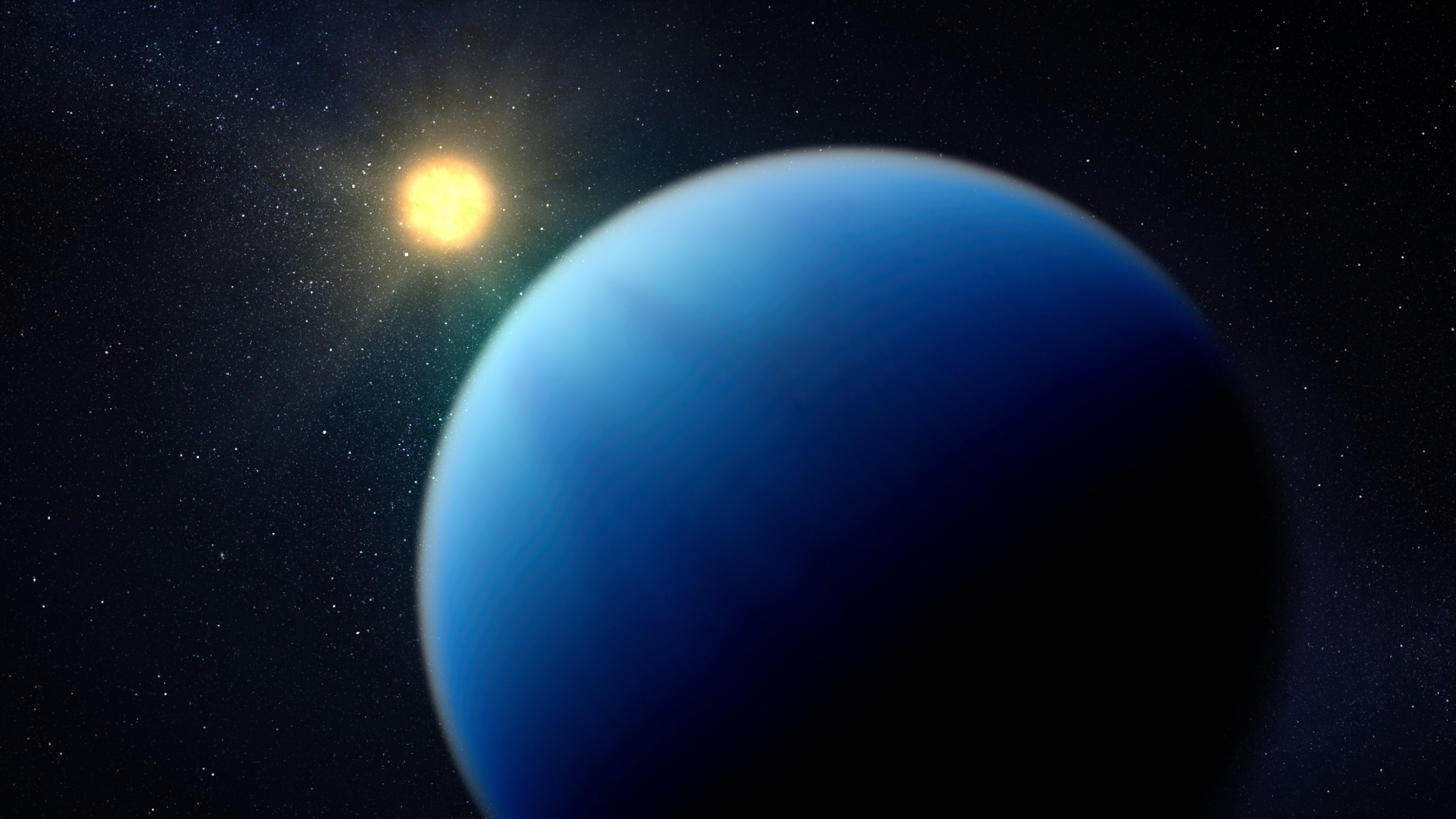
NASA’s Webb reveals secrets of Milky Way’s most common type of planet
https://www.newsweek.com/nasa-webb-exoplanet-sub-neptune-toi-421-b-2068555

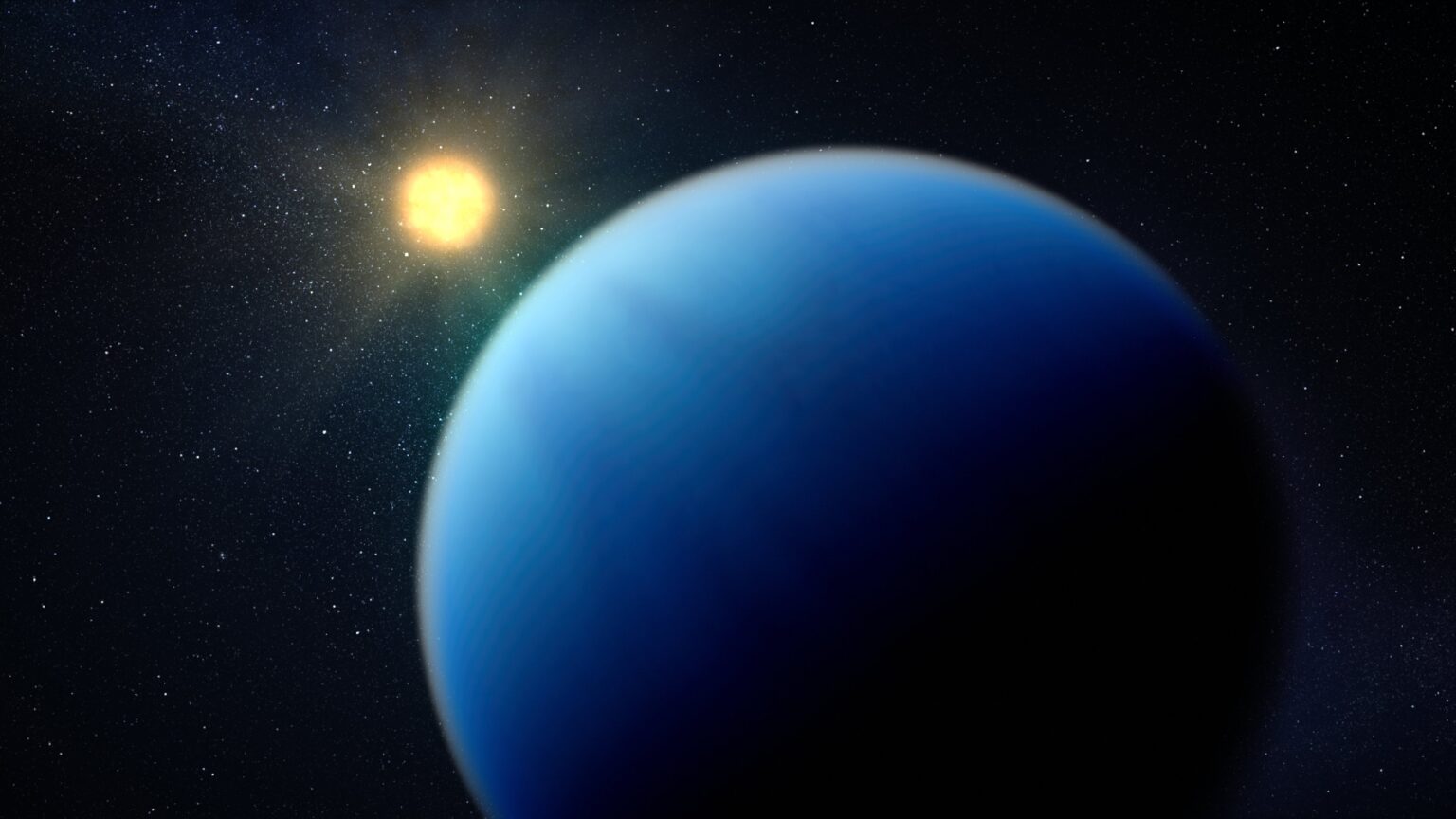
NASA’s Webb reveals secrets of Milky Way’s most common type of planet
https://www.newsweek.com/nasa-webb-exoplanet-sub-neptune-toi-421-b-2068555
3 Comments
By Ian Randall — Deputy Science Editor |
Astronomers are pulling back the hazy veil on the Milky Way’s most common—and arguably most mysterious—type of planet: so-called sub-Neptunes.
Not seen among the planets of our solar system, these are gassy worlds that, as their names imply, fall in size between that of Earth and Neptune.
First discovered by NASA’s Kepler space telescope, the atmospheres of sub-Neptune had proven impossible to probe because of how they are shrouded in haze.
Read more: [https://www.newsweek.com/nasa-webb-exoplanet-sub-neptune-toi-421-b-2068555](https://www.newsweek.com/nasa-webb-exoplanet-sub-neptune-toi-421-b-2068555)
Its the most common type of planet we can detect, there is not enough evidence to suggest its the most common type of planet.
[Here is the link to the story on the NASA website.](https://science.nasa.gov/missions/webb/nasas-webb-lifts-veil-on-common-but-mysterious-type-of-exoplanet/)