China has had air pollution issues for many years as it’s begun to industrialized. This is lead toward the citizens humorously naming the various clean air sky days that were dictated by the government after the reason government chose to dictate a blue sky day. What that means is, when important people would visit key cities, they would force factories, cars, and other polluting industries to cease activities enough days in advance, so by the time the key people showed up the place looked pretty. One that I specifically remember is Obama blue. Another was Olympic blue.
Rootfour on
Particulates dropping can be caused by alot of things, anecdotal evidence from my last visit recently points to decreased economic activity thus reducing intra-city activity and tranport. Hard to get reliable data out of china though especially related to population migration and movement.
BigMax on
For those who are unfamiliar with the terms… (Like I was, I had to look it up…)
Irradiance is the amount of energy potential in a given area from the sun.
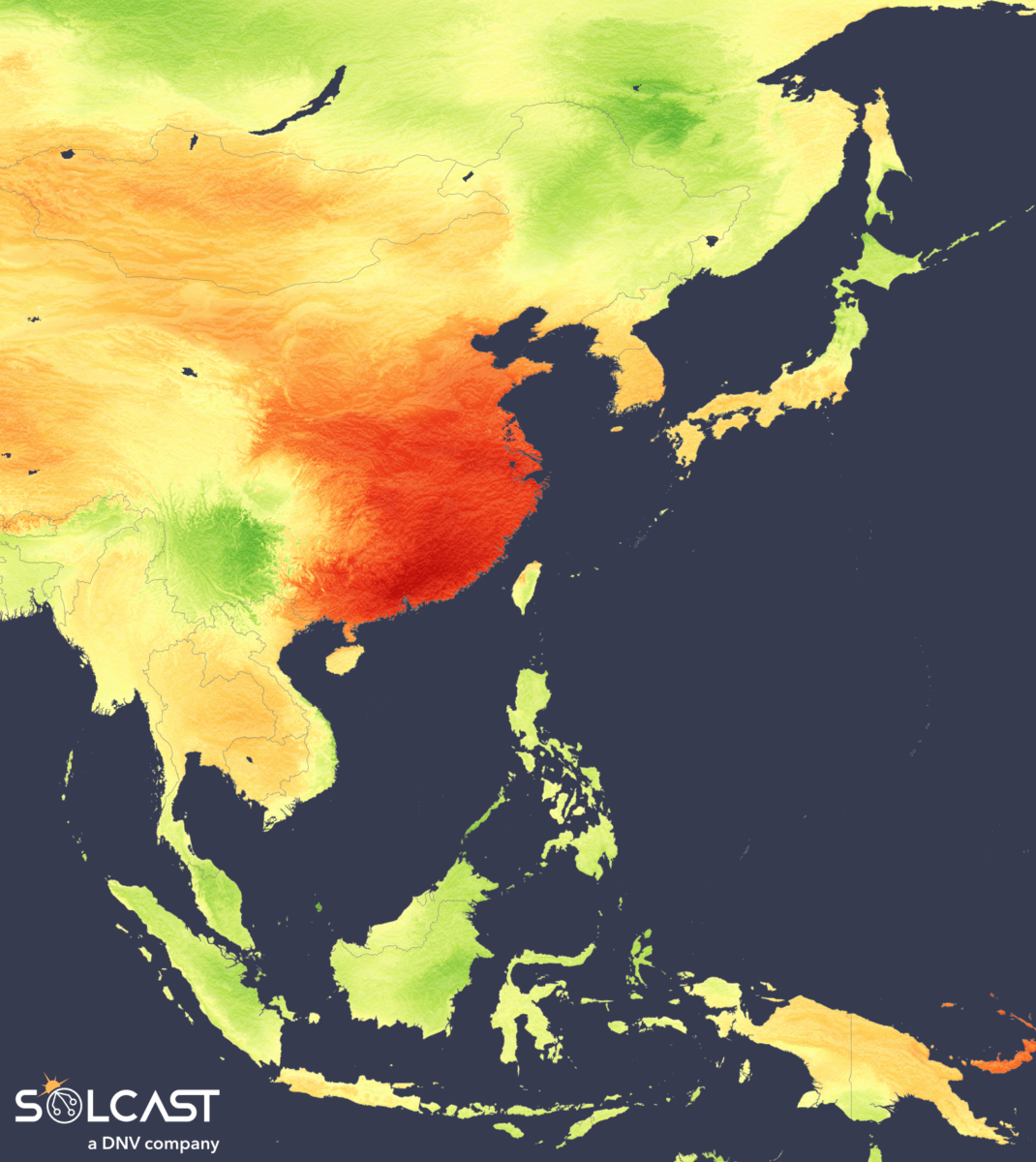
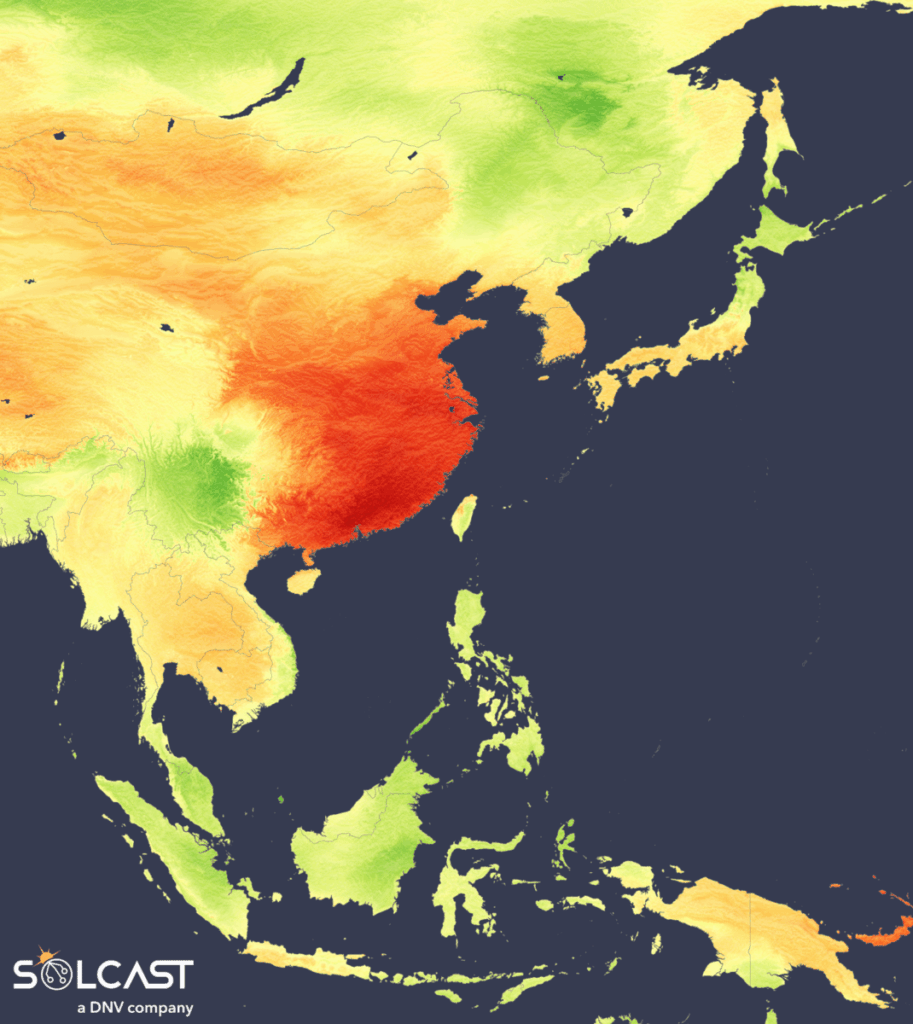
This article is basically saying that due to lower pollution, therefore fewer particles in the air, solar power is now more efficient in china. “A key factor behind this trend is the significant reduction in airborne pollutants.”
Some it is also due to weather patterns.
But that’s where the headline starts to make sense. The more solar you install, the less pollution you get, and thus the more effective your solar becomes. A virtuous cycle. “More solar means more solar” is “more solar means less pollution in the air thereby causing solar to generate even more efficiently.”

4 Comments
China has had air pollution issues for many years as it’s begun to industrialized. This is lead toward the citizens humorously naming the various clean air sky days that were dictated by the government after the reason government chose to dictate a blue sky day. What that means is, when important people would visit key cities, they would force factories, cars, and other polluting industries to cease activities enough days in advance, so by the time the key people showed up the place looked pretty. One that I specifically remember is Obama blue. Another was Olympic blue.
Particulates dropping can be caused by alot of things, anecdotal evidence from my last visit recently points to decreased economic activity thus reducing intra-city activity and tranport. Hard to get reliable data out of china though especially related to population migration and movement.
For those who are unfamiliar with the terms… (Like I was, I had to look it up…)
Irradiance is the amount of energy potential in a given area from the sun.
This article is basically saying that due to lower pollution, therefore fewer particles in the air, solar power is now more efficient in china. “A key factor behind this trend is the significant reduction in airborne pollutants.”
Some it is also due to weather patterns.
But that’s where the headline starts to make sense. The more solar you install, the less pollution you get, and thus the more effective your solar becomes. A virtuous cycle. “More solar means more solar” is “more solar means less pollution in the air thereby causing solar to generate even more efficiently.”
While building dozens of new coal plants a year.
Interesting.